Find your utility's lead line record, replacement program, and likely cost.
Start with the utility that serves the address. Use the local record to see what the inventory says, what a mailed notice means, whether a replacement program exists, and how replacement costs may be split when the published local record is strong enough.
Current local records for utilities with inventory, notice, program, or cost guidance.
Use the state page to find the right utility, then move into the local record.
Local replacement programs, reimbursements, and funded support paths now tracked on the site.
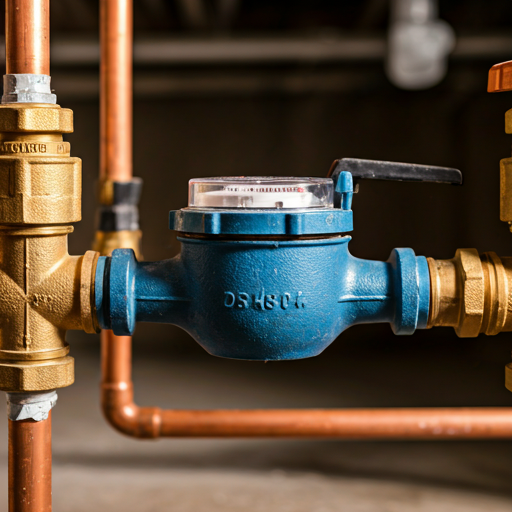
Every page is tied to a real utility, its notices, and its published replacement rules. When the local record is weak, the site stays cautious.
Start with your utility, then confirm on the official address checker.
Use this when you know the address, city, or utility name but not the right local record yet. The lookup points you to the most likely utility page, then hands you to the official lookup.
If you do not know the utility yet, start with the state and move into the local record.
State pages help you narrow the search. The utility page is still where notice, program, and replacement questions get answered.
AZ
5 utilities and 19 pages currently live.
CO
1 utilities and 7 pages currently live.
DC
1 utilities and 6 pages currently live.
IA
7 utilities and 29 pages currently live.
IL
6 utilities and 26 pages currently live.
IN
9 utilities and 33 pages currently live.
MI
9 utilities and 35 pages currently live.
MN
3 utilities and 14 pages currently live.
MO
6 utilities and 21 pages currently live.
NE
3 utilities and 14 pages currently live.
OH
6 utilities and 24 pages currently live.
PA
2 utilities and 12 pages currently live.
RI
1 utilities and 7 pages currently live.
WI
4 utilities and 19 pages currently live.
Utility pages are where notice, program, and replacement questions get answered.
Each record keeps four questions separate: what the utility says about the line, what the notice means, whether a replacement program exists, and who may have to pay.
City of Chandler Water Utilities
Chandler says it has not identified a lead service line, about 27604 service lines required verification, and a little over 24000 have already been confirmed as non-lead. Residents with unknown status were notified in fall 2024 and fall 2025 while field verification continues through summer 2026.
City of Mesa Water Resources
Mesa says its inventory map is public, there are no lead containing service lines connecting city mains to customer meters, letters explain next steps for galvanized or unknown private-side material, and if a letter was not sent no further action is needed.
City of Phoenix Water Services
Phoenix says its public inventory uses non-lead lead galvanized and unknown categories, unknown lines are unlikely to be lead but still receive second verification and notices, mailed notifications went out as replacement work started in fall 2024, and if a lead or galvanized line is identified the city replaces the full line from the meter box to the house connection at no cost.
City of Tempe Water Utilities
Tempe says customers can search the public inventory, the city has no records of any known public lead service lines, unknown notices are precautionary while survey and field inspections continue, and the city will work individually on replacement or funding options if any lead or galvanized line is identified.
Tucson Water
Tucson Water says customers can view the service line inventory online, annual unknown or galvanized notices do not by themselves mean there is lead at the address, citywide inspections continue, and any confirmed replacement is scheduled at no cost to the customer.
Denver Water
Denver Water says its address map can show whether a home is one of the estimated 60000 to 64000 homes with a possible lead service line, replacements are planned neighborhood by neighborhood with a longer outlook from 2026 to 2031, and off-schedule replacements use a separate 3800 dollar reimbursement path rather than the utility's no-direct-charge scheduled replacement workflow.
DC Water
DC Water says its parcel map uses verified lead suspected lead no information suspected non-lead and verified non-lead categories, multilingual lead unknown and galvanized iron letters are posted online, and customers can use either the 100 percent private-side assistance path or the voluntary full replacement path depending on whether lead is on one side or both sides.
City of Ames Water & Pollution Control
Ames publishes a lead inventory page map and inventory PDF, uses a formal 2024 notice for interim guidance, and explains that the homeowner owns the service line to the meter except when replacement is coordinated through a city water-main project or related city work rather than a standing no-cost program.
Council Bluffs Water Works
Council Bluffs Water Works publishes downloadable lead galvanized-requiring-replacement and unknown lists, a public address map, and a formal customer information guide, while the current SRF-funded project notice ties replacement work back to the same map and list-based inventory.
Iowa American Water
Iowa American Water says customers can use an interactive lead service line map, unknown and lead customers receive required letters and self-report prompts, and the utility says about 1300 customer-owned lines had already been replaced at no direct cost under the current program by November 2024.
City of Dubuque Water Department
Dubuque says its online inventory map and spreadsheet support address-level review, staff use reporter forms and inspections to verify unknown service material, and the current pilot targets about 585 private lead water service lines in three phases starting in 2024.
Iowa City Water Division
Iowa City says its lead reduction FAQ tells residents to flush stagnant water clean aerators and use cold water while they evaluate service line material, and homeowners who plan replacement need to tell contractors they are using the city's cost-share reimbursement program before work begins because the work still runs through an owner-managed contractor path.
City of Sioux City Water Plant
Sioux City says about 7300 properties could have a lead service line or a galvanized service line affected by lead, the online inventory should be used for address-level review, and residents with questions or updated material information are directed back to the Water Plant.
West Des Moines Water Works
West Des Moines Water Works says it still had about 7000 unknown service materials as of December 2023, asks residents to complete the service line survey, publishes a public results map for address-level review, and uses its FAQ to explain ownership and service-line questions while unknowns are reduced.
City of Aurora Water Production Division
Aurora says residents can use its lead notice portal to review lead unknown galvanized and connector-unknown statuses, the city issued a 2025 action-level exceedance notice with mitigation steps, and replacement splits between no-cost city-triggered work and owner-managed early replacement where the owner still starts with the private-side contractor cost.
City of Bloomington Water Department
Bloomington says it is potholing properties to verify private-side material, publishes an interactive map and dashboard with lead GRR unknown and non-lead categories, and plans block-by-block replacement beginning in 2027 under a rate-funded path that still carries a city caveat on final customer-side coverage.
City of Chicago Department of Water Management
Chicago says homes built before 1986 have a high likelihood of a lead service line, Lead Safe Chicago routes residents to the inventory and free testing tools, and replacement help runs through 311 or [email protected] rather than a blanket citywide no-cost promise.
City of Evanston Water Production Bureau
Evanston says its public service line map identifies potentially affected properties, the city submitted a draft replacement plan in April 2025, no-additional-cost replacement is already active in project areas, and a separate homeowner-initiated path offers reimbursement plus waived permit fees.
City of Joliet Department of Public Utilities
Joliet says it maintains an interactive water service inventory map, proactively replaces lead lines at no cost when leak repair elevated test results or water main rehabilitation trigger the program, and provides point-of-use pitchers at no cost in several elevated-risk situations.
City of Rockford Water Division
Rockford says customers can use its interactive service line map, submit a digital survey to improve private-side material records, request free annual lead testing, and coordinate full replacement where the owner covers the private side while the city replaces the public segment at the same time.
City of Bloomington Utilities
Bloomington says its searchable inventory covers more than 27000 service connections, selected owners may be asked to sign right-of-entry forms for field verification, and those verified lead findings will feed into a future citywide replacement schedule.
Evansville Water and Sewer Utility
EWSU says its public inventory remains available through IDEM, customers received status letters in November 2024, the lead safety page posts downloadable lead GRR and unknown notice copies, and field verification continues before the utility overstates replacement timing.
Fort Wayne City Utilities
Fort Wayne says homes built before 1937 are more likely to have lead service lines, owners remain responsible for the private pipe to the meter, grant-funded Remove Lead projects cover selected neighborhoods, and outside those areas replacement cost still depends on the city program path.
Citizens Energy Group
Citizens says it launched a searchable inventory portal, mails annual notices until physical inspection confirms non-lead status or replacement is complete, estimates that more than 75000 customers may still own and use lead service lines, and limits no additional cost replacement promises to the neighborhoods where the active utility program is already scheduled.
City of Kendallville Water Department
Kendallville says it completed its lead service line inventory on October 16 2024, keeps sending annual paper letters until replacement is recorded, and began phase 1 replacement work in 2026 using state grant and loan funding with signed right-of-entry forms rather than an owner-triggered citywide replacement path.
City of Lafayette Water Works
Lafayette says about 3200 service lines are currently flagged as lead galvanized requiring replacement or unknown, letters went out in early November 2024, and the city publishes current project areas plus 45-day notice and right-of-entry steps online.
Mishawaka Utilities
Mishawaka says it has already replaced the utility-owned portion of about 4100 lead service lines, mailed letters to customers with lead galvanized or unknown lines in late 2024, and will replace the utility side within 45 days when an owner replaces a lead or galvanized private-side line.
City of South Bend Water Works
South Bend Water Works says more than 34000 customers were asked to complete the city service line survey, the inventory map should be used to check address status, 311 or water quality staff can coordinate free lead testing, and the city still treats private-side verification as a prerequisite before it overstates replacement timing.
Town of Speedway Water Works
Speedway says it publicly posted its October 2024 inventory for about 4300 service connections, mails letters to lead and unknown addresses, and uses homeowner surveys plus targeted field investigation rather than a blanket replacement promise while unknown records are reduced.
City of Dearborn Water and Sewerage Division
Dearborn points residents to a lead service line information map, says 100 homes are tested annually with results remaining within federal action levels, and asks households to complete the service line survey while the city works through Michigan's replacement mandate.
Detroit Water and Sewerage Department
Detroit says June 30 2025 notices covered 123387 service lines with known lead known galvanized or unknown materials, DWSD still estimates more than 80000 lead service lines citywide, and the neighborhood replacement program has already replaced more than 15000 lines since 2018.
City of Flint Water Service Center
Flint says over 97 percent of lead service line replacements are complete, all replacement work is done at no cost to residents, and households should immediately opt in and submit consent forms so crews can inspect and replace any remaining lead or galvanized lines.
City of Grand Rapids Water System
Grand Rapids says properties built before 1950 without confirming records are treated as assumed lead on the city map, annual notices remain active for homes that may have lead lines, leak or city construction triggers the no-cost path, and voluntary early replacement moves into a separate ten-pay Water Service Agreement.
City of Jackson Water Department
Jackson says it is proactively replacing lead service lines through a dedicated crew contractors and street projects, eligible homeowners can sign up early for free replacement, and residents receive letters phone calls emails and door notices before city-scheduled work moves into the area.
City of Kalamazoo Water Department
Kalamazoo says residents should use the service material lookup tool to check an address, free lead and copper testing plus filters are interim support, and no-charge replacement stays tied to the funded citywide replacement program rather than the testing workflow itself.
Lansing Board of Water and Light
BWL says it removed all known active lead service lines and galvanized requiring replacement lines by 2016 and verified by October 16 2024 that no lead service lines, galvanized requiring replacement lines, or unknown service lines remain in its system.
City of Monroe Water and Wastewater Department
Monroe says approximately 1315 of 15251 customers have full or partial lead service lines requiring field verification. The city continues annual replacement work through construction and maintenance projects and publishes both a replacement application and priority areas online.
City of St. Joseph Water and Sewer Department
St. Joseph says its complete distribution system material inventory was submitted in October 2024, the public DSMI map is the current address-check path, and owners of unknown lines can move toward the replacement queue through point-of-entry inspections and the city's voluntary testing workflow.
City of Duluth Lead Removal Program
Duluth says its service line inventory is publicly available through the city page and the Minnesota tool, and that city-led replacement projects are funded at no cost to property owners in eligible areas.
City of Minneapolis Public Works Water Treatment & Distribution Services
Minneapolis says its lead service line map is updated daily, unknown means there is a valid address but the matching record is not available, owners can request further research when that happens, and citywide replacement is funded at no cost in eligible project areas under the 2033 state goal and 2037 federal requirement.
Saint Paul Regional Water Services
SPRWS says it serves about 96000 properties, about 17000 have a lead service line, and about 4500 have a service line of unknown material. Lead Free SPRWS is a 10-year plan that has replaced nearly 4500 lead lines since 2022 and aims to replace about 2100 more in 2026 at no cost to property owners.
City of Blue Springs Water and Sewer Services
Blue Springs says its inventory page pairs an address-check document with a resident private-side survey, the city is still completing inventory work, and the lead guidance page points residents to flushing exposure-reduction and water-quality result resources while verification continues.
City of Columbia Water Utility
Columbia says its lead compliance program includes a searchable assessment map, utility-side inventory details, an online survey for unknown customer-owned service lines, and step-by-step inspection guidance for residents.
City of Independence Water Department
Independence says it publishes a current PDF inventory, mails written notices to galvanized requiring replacement and unknown properties, and lets customers request staff help to identify service line materials instead of relying on a full interactive lookup workflow.
Kansas City Water
Kansas City says its first October 2024 inventory reported zero known lead lines, 23109 galvanized requiring replacement lines, and 24842 unknown lines, and it separately warned in 2026 that service line protection letters were optional homeowner coverage communications rather than replacement notices.
City Utilities of Springfield
Springfield says more than 38000 customer service lines have already been identified, homes built before 1989 are still asked to self-identify customer-owned materials, and City Utilities keeps both an interactive inventory map and free neighborhood assistance online while self-reporting and map cleanup continue.
Missouri American Water
Missouri American Water says customers can use its service line material map, self-report or request inspection when material is unknown, the company plans to replace lead and galvanized lines in the communities it serves by 2030, and verified lead or galvanized lines move into a no-direct-cost replacement path.
Grand Island Utilities Department
Grand Island Utilities says its GIS lookup distinguishes lead non-lead and unknown materials by address, mailed notices go to lead or unknown properties, and the city's multi-year replacement project uses the same lookup plus outreach workflow to move customers into active work.
Hastings Utilities Water Department
Hastings says it currently has about 1500 lead water service lines, publishes monthly neighborhood progress, has already replaced 279 lead services through the rolling program, and aims to remove all lead water services in 10 years.
Metropolitan Utilities District
M.U.D. says customers can use the lead map to distinguish lead and lead-status-unknown records, unknown-status homes can use a survey path plus partner pitchers or sample kits, and the district's multi-year program has been replacing customer-owned lead lines free of charge since 2024.
City of Akron Water Supply Bureau
Akron says its service line inventory is available online, there are no homeowner-owned lead service lines in Akron, unknown customer-side records can be verified through a phone-based photo workflow, and city-owned lead replacement is expected to finish by the end of 2025.
Greater Cincinnati Water Works
GCWW says its lead map supports property lookup, the utility pays 100 percent of replacement costs for participating properties, and work is scheduled for child care facilities water main projects individual leaking or high-lead cases and targeted areas using a prioritization model.
City of Columbus Division of Water
Columbus says customers can search an address to see public and private service line material and whether the property is in an active or upcoming project area, annual line-material notices are not water quality notices, street-by-street no-cost replacement starts with a signed work agreement, and LEAP offers no-interest deferred repayment with no upfront cost for proactive or leaking lines.
City of Hamilton Utilities + Public Works Water
Hamilton says its interactive lead service line map shows the best available data for both customer-owned and utility-owned portions, private-side replacement cost remains the owner's responsibility, and the city replaces known public-side lead lines during water main projects.
City of Newark Water Office
Newark says customers with galvanized requiring replacement or unknown service lines have been notified, properties with yellow or orange dots on the city map are checked for replacement, and the city replaces the line from the main to the meter plus basic restoration free of charge.
City of Toledo Division of Water Distribution
Toledo says annual notices went to about 50000 customers, all but about 6000 customer lines have been inspected, and only about 100 known customer-owned lead lines remain. The city also says replacement letters go out 45 days before scheduled work and free water filters are provided after replacement when needed.
Philadelphia Water Department
Philadelphia Water Department says its service line map categorizes properties as lead non-lead galvanized metal incomplete records or mixed, mandatory letters in November 2024 and December 2025 explained customer-owned materials, invited properties can join a limited free verification program, and confirmed lead lines otherwise stay on a zero-interest HELP loan or owner-managed contractor path.
Pittsburgh Water
Pittsburgh Water says Community Lead Response is on track to replace each lead line in Pittsburgh by 2027, targeted neighborhood and water-main work continue while unknown locations are improved, and private replacements that are not already covered by utility-led work move through income-based reimbursement up to 100 percent or a 1000 dollar stipend.
Providence Water
Providence Water says its location map shows utility-side and private-side materials separately, annual letters go to lead or unknown addresses, free replacement is tied to planned utility contracts, and addresses outside that queue move to a separate 10-year 0% loan path instead of a blanket no-cost promise.
Green Bay Water Utility
Green Bay Water says its lookup map distinguishes customer-side and utility-side lead GRR unknown and non-lead records, owners of unknown lines stay on inspection or documentation follow-up, and addresses flagged as lead or GRR are routed into limited-time municipal replacement contacts rather than a blanket citywide free-replacement promise.
Madison Water Utility
Madison says all known lead services were removed years ago and as of November 4 2025 it has no known lead service lines, historic records can still contain minor inaccuracies, and property owners who discover private lead service may qualify for a rebate up to 3000 dollars rather than a citywide no-cost replacement path.
Milwaukee Water Works
Milwaukee Water Works says it is committed to replacing all 65000 remaining lead service lines by 2037. Its address lookup page shows recorded service line type and whether a property is prioritized for replacement in 2026, while city notices explain when owners do or do not pay for private-side work.
City of Racine Water Utility
Racine says the city is running a multi-year invitation-based lead service line replacement program, invited homeowners can receive free replacement in annual city-managed batches, and annual notice guidance remains active for homes with lead galvanized or unknown lines that are not yet in the current batch.
The site stays narrow on purpose.
Start with the utility record
Inventory status, address lookup, and notice language come first. Everything else follows after the utility record is clear.
Program and cost only with local proof
Replacement support and price guidance only appear when the local utility or city record is specific enough to support them.
No generic national drift
The question is always local: this utility, this city, this notice, this replacement path.
Guides help with context, but the utility page stays primary.
Use a guide when you need the basics first. Then move back into the local utility record for the actual decision.
Known vs potential lead service line
Utilities use different labels for certainty. A known lead line means the utility has direct evidence or a verified record. A potential or possible lead line often means the utility still needs more evidence.
Lead service line buyer and seller checklist
Real estate decisions around a lead service line are easier when the parties anchor to the utility inventory, the notice status, and a local replacement path instead of generic plumbing language.
Lead service line replacement cost
Replacement cost is not one number. It changes with line length, surface restoration, permit friction, local labor, and whether the work covers only the private side or the full line.
Lead water filter vs replacement
A certified filter can reduce interim exposure, but it does not replace the need to verify and, when needed, replace a lead service line.
What is a lead service line?
A lead service line is the buried pipe that carries water from the water main to a building. It is different from interior plumbing, fixtures, or an old faucet.
Who pays for lead service line replacement?
Payment responsibility depends on the utility, the state, and whether the line is on the public side, private side, or both. Some utilities now cover both sides, while others only cover work in public space.